Running T-Shirt Designs SVG
A Designer’s First Look: Clean, Energetic, and Built for Movement
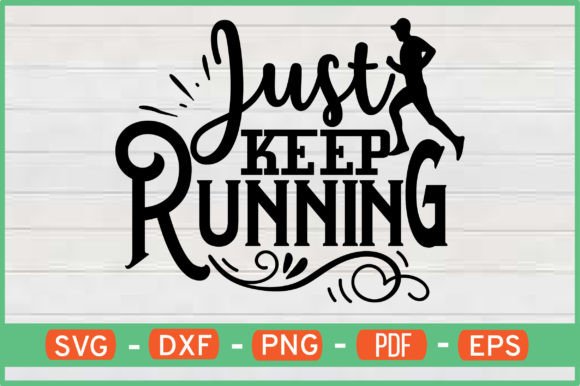
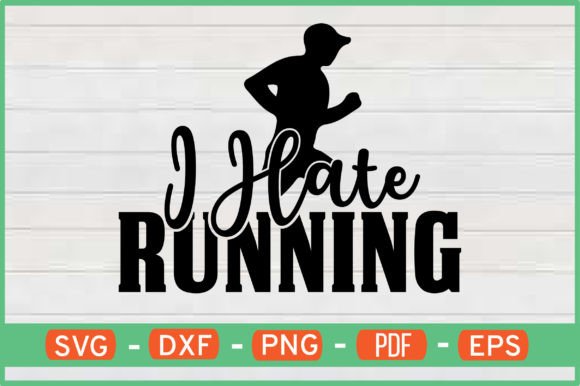
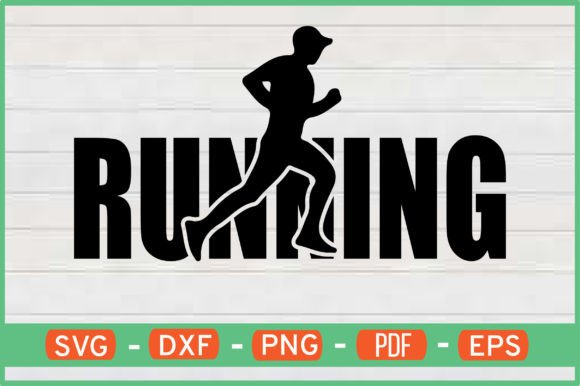
Opening Running T-Shirt Designs SVG feels like stepping into a sunlit studio—lightweight, purposeful, and full of forward motion. The lines are confident but not aggressive; the silhouette leans slightly forward, arms bent mid-stride, feet grounded yet dynamic. It’s not overly detailed—no facial features, no shoe laces—but that’s its strength. As a machine embroidery design, it avoids tiny satin-stitch traps while still communicating energy and intention. This isn’t a logo meant for corporate branding—it’s a handmade product accent, a personal touch on custom apparel or boutique merchandise.
Where It Shines: Real Projects That Feel Authentic
Last week, I stitched Running T-Shirt Designs SVG onto a natural linen tote bag for a local running club’s volunteer giveaway. No fancy digitizing tweaks—just imported the SVG into my embroidery software, resized to 3.2”, added light tear-away stabilizer, and ran it on mid-weight cotton canvas. The result? Crisp edges, balanced fill stitch density, and zero puckering. Customers commented on how “alive” it felt—not stiff or clip-art-y. That’s the sweet spot: Running T-Shirt Designs SVG works best when it supports a story, not tells one alone. Think sweatshirt embroidery for race day, baby embroidery on a onesie (“Future Runner”), or holiday embroidery stitched onto a kitchen towel for a fitness coach’s Christmas gift.
What It’s Not Designed For (And Why That Matters)
This isn’t an applique design with layered fabric or intricate shadowing—and that’s intentional. If you’re planning embroidered patches or dense cap front embroidery, test carefully. The arms and legs taper tightly near the joints, and on curved surfaces like baseball caps, those narrow strokes can distort without precise hooping and stretch-resistant stabilizer. Likewise, avoid using Running T-Shirt Designs SVG on ultra-thin jersey or heavily textured terry cloth without backing reinforcement—the stitch density is moderate, but fine details won’t hold up on unstable fabric. On dark fabric, stick with high-contrast thread (white or neon yellow), and always preview in black-and-white mockups first. What reads clearly on screen may blur when stitched at 2.5” on charcoal fleece.
Small Hoop Reality Check
I tried stitching it at 2.0” in a 4×4 hoop on a lightweight baby onesie. The legs stayed legible, but the curve of the back shoulder softened—less “runner,” more “walking figure.” For baby embroidery or small shop products where space is tight, consider simplifying the pose manually or pairing it with a short phrase (“Go Fast. Rest Well.”) to anchor meaning visually. Don’t force fit—it’s better to scale thoughtfully than risk a muddy finished product.
Commercial Use: Trust, Clarity, and Quiet Professionalism
As an Etsy seller and small shop product designer, I pay close attention to how a digital embroidery file affects buyer trust. Running T-Shirt Designs SVG lands well because it looks hand-drawn—not AI-generated or over-processed. That subtle irregularity in line weight gives it warmth, which translates directly to perceived value in personalized gifts and craft fair merchandise. When customers see this stitched on a custom apron for a running-themed café, they don’t think “digital download”—they think “made for them.” That quiet professionalism matters. It also means your branding stays consistent: whether you’re selling embroidered pillow covers or holiday embroidery kits, this design reinforces approachability, not perfectionism.
Practical Embroidery Designer Notes (No Guesswork)
- Always test first: Run Running T-Shirt Designs SVG on scrap fabric matching your final project’s weight and stretch.
- Stabilizer is non-negotiable: Light cut-away for knits, tear-away for stable wovens. Skip the iron-on-only option—this design needs support under tension.
- Thread colors matter more than expected: Try matte cottons instead of glossy poly for softer contrast, especially on light fabrics.
- Check licensing before selling: Since this is a digital embroidery file sold as a Graphics product, confirm whether commercial use is permitted for finished items (e.g., embroidered tote bags sold on Etsy) or only for personal craft projects.
- Hoop size + fabric = success formula: If your machine uses a 5×7 hoop, you’ll have breathing room. In a 4×4? Resize down to 3.0” max and inspect stitch clarity in the ankle and wrist curves.
- Mock it before you market it: Drop Running T-Shirt Designs SVG into printable mockups on both light and dark backgrounds—what works on white may vanish on navy.
Fitting Into Your Creative Workflow
This isn’t a standalone hero design. It’s a reliable supporting player—ideal for craft business bundles (e.g., “Runner’s Gift Set” with embroidered water bottle sleeve + tea towel), seasonal listings (“Spring Race Day Collection”), or even as a secondary motif alongside monogrammed initials on custom apparel. Its simplicity makes it adaptable across Crafts categories without feeling repetitive. As a digital embroidery file, it integrates cleanly into Silhouette Studio or Cricut Design Space for hybrid projects—say, heat-transfer vinyl base + topstitched embroidery detail. Just remember: SVG and DXF files aren’t native embroidery formats. You’ll need to digitize or convert for actual machine use—so factor that step into your timeline if you’re new to embroidery file prep.
Final Thought: Design With Intention, Not Just Speed
There’s a quiet confidence in Running T-Shirt Designs SVG—not flashy, not fussy, but unmistakably *meant* to move with the wearer. That’s rare in ready-made design assets. Whether you’re stitching for a client’s boutique launch, prepping holiday embroidery kits, or building a cohesive line of small shop products, this design earns its place by doing one thing well: giving motion a gentle, handmade voice. Just honor its limits, test with care, and let it do what it does best—support real people, real stories, and real stitches.