Photographer T-Shirt Designs SVG
A Designer’s First Look: Clean, Nostalgic, and Ready for Stitching
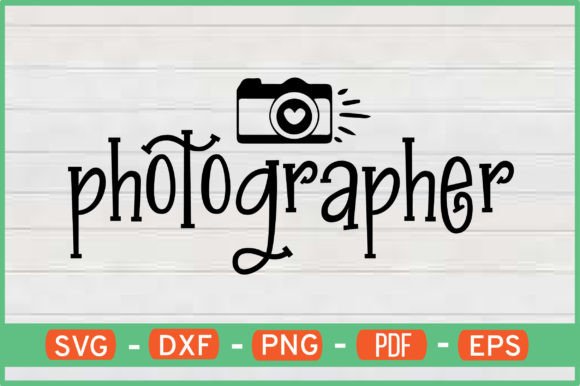
Opening the Photographer T-Shirt Designs SVG zip file, I immediately noticed how uncluttered and intentional the layout feels. It’s not a busy collage of cameras, lenses, and film strips—it’s a single, confident graphic: likely a minimalist camera icon paired with clean typography like “Shutterbug” or “Focus on Joy.” That simplicity is a quiet strength. As someone who’s stitched hundreds of designs onto everything from baby onesies to boutique aprons, I know this kind of restraint translates beautifully into embroidery. It doesn’t fight the fabric; it lives with it.
Real-World Test: A Custom Embroidered Tote for a Local Photo Studio
Last week, I used Photographer T-Shirt Designs SVG as the centerpiece for a set of linen-cotton tote bags commissioned by a small-town photography studio. They wanted something elegant but approachable—no clipart energy, no overdesigned flair. I resized the SVG to fit a 4×4 hoop, converted it to an embroidery file using my trusted digitizing software, and ran a test on scrap fabric first. The result? Crisp satin stitch outlines, balanced fill areas, and lettering that stayed legible even at 2.5 inches wide. Customers loved how the design looked both professional and handmade—not mass-produced, but thoughtfully made.
Where This Design Shines (and Where It Needs Thought)
Photographer T-Shirt Designs SVG works especially well for:
- Custom apparel—t-shirts, sweatshirts, and lightweight jackets where clean lines read clearly
- Tote bag design and apron embroidery, where the motif anchors the item without overwhelming it
- Personalized gifts like baby embroidery on onesies or bibs (just avoid tiny lens details on stretchy knit fabrics)
- Holiday embroidery and wedding gifts for photographer friends—think “First Frame” or “Say Cheese” versions
- Small shop product branding, especially when paired with neutral thread colors on natural fabrics
But here’s where attention matters:
- Small hoop sizes: The design fits comfortably in a 4×4 hoop—but if you’re pushing into 3×3 territory, double-check corner curves and fine text. Tiny serifs or thin camera dials may vanish in stitching.
- Textured fabrics: On burlap, heavy twill, or looped terry cloth, reduce stitch density slightly and add medium tear-away stabilizer. Otherwise, fill areas can look puffy or uneven.
- Dark fabric: The original SVG has no built-in shadow or outline—so for black tees or navy totes, manually add a subtle white underlay or choose high-contrast thread (e.g., cream on charcoal).
- Curved surfaces: Caps and beanies need careful hooping. This design’s centered balance helps, but avoid placing it too close to the bill seam where distortion creeps in.
What It Adds to Your Handmade Product—and What It Doesn’t
This isn’t a flashy, trend-chasing digital embroidery file. It’s a quiet workhorse. When stitched, Photographer T-Shirt Designs SVG elevates perceived value—not through complexity, but through intention. Customers recognize craft when they see consistent spacing, smooth satin stitch transitions, and typography that doesn’t wobble. That builds customer trust and reinforces your brand consistency, especially if you’re an Etsy seller or run a craft business selling custom photo-themed goods.
It also supports giftability. A coffee mug with this design heat-pressed? Meh. But embroidered on a linen tea towel or pillow cover? It feels personal, considered, and gift-ready—especially for shutterbugs, new parents documenting milestones, or grads entering visual arts fields.
Practical Notes Every Embroidery Designer Should Check
Before cutting fabric or loading your machine:
- Test on scrap fabric first—especially if using textured, stretchy, or dark materials
- Review stitch density in your embroidery software. If fill areas feel overly dense, lighten them slightly for breathability on wearables
- Confirm hoop size compatibility. Since only SVG and DXF files are included, you’ll need to digitize or convert for your machine—don’t assume auto-digitizing tools will handle fine details perfectly
- Inspect small details closely: lens rings, aperture blades, or script lettering may need manual cleanup after conversion
- Try black-and-white mockups before stitching. Does the shape hold up without color? Does negative space breathe?
- Compare light and dark fabric backgrounds visually—some layouts rely on contrast you won’t get on heather grey or oatmeal
- Use proper stabilizer: medium cut-away for knits, tear-away for stable wovens, and fusible + tear-away for lightweight linens
- Check licensing before selling finished items or reselling the digital file. This is a digital download only—not a commercial-use license unless explicitly stated
Final Thought: A Quiet Asset for Real Projects
Photographer T-Shirt Designs SVG won’t shout across a craft fair table—but it will earn repeat orders from clients who value clarity, craftsmanship, and calm visual storytelling. It’s the kind of design asset that blends seamlessly into a printable mockup, holds up across commercial embroidery runs, and adds quiet authority to a small shop product lineup. Whether you’re stitching for a local studio, building an Etsy listing, or creating personalized gifts for friends who shoot film, this design respects your time, your machine, and your standards.
Just remember: great embroidery starts long before the needle moves. It starts with choosing the right machine embroidery design—one that’s built for real fabric, real wear, and real people who notice the difference.