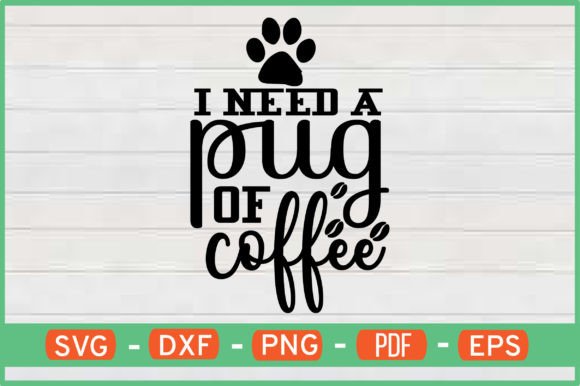
Phing-tuned T-Shirt Designs SVG: Graphics for Crafts-Driven Branding
As a brand designer who’s helped over 70 local businesses refine their visual identity—from neighborhood bakeries to indie candle studios—I recently evaluated Phing-tuned T-Shirt Designs SVG not as clipart, but as a functional graphic design asset for real-world small business branding. My test case? A seasonal launch for “Hearth & Petal,” a handmade soap and botanical skincare brand serving a historic downtown district. Their packaging needed warmth, craft authenticity, and subtle elegance—no generic stock motifs.
A First Impression That Speaks Before You Do
The moment I opened the SVG file, I noticed its confident line weight and intentional negative space—not overly intricate, not too minimal. It leans into organic modernity: soft curves with grounded structure, gentle asymmetry, and a hand-drawn precision that feels intentionally human, not algorithmically smoothed. This isn’t bold streetwear energy or corporate sleekness. It’s friendly yet refined—ideal for boutique owners, florists, children’s product brands, or food businesses wanting approachable sophistication. Think farmers’ market stall signage, not boardroom decks.
Where It Earns Its Place in Local Business Branding
Phing-tuned T-Shirt Designs SVG shines where small business branding needs emotional resonance without sacrificing clarity. In my Hearth & Petal project, I used it across six key touchpoints:
- Packaging accents: Applied as a debossed-style foil stamp on kraft soap boxes—adding tactile luxury without redesigning the entire label layout.
- Product mockups: Layered onto reusable cotton bags and ceramic jar labels to preview shelf presence before printing.
- Social media graphics: Scaled and recolored for Instagram carousels announcing new lavender-honey soaps—paired with serif body text for contrast and warmth.
- Printable inserts: Converted to high-res PNG for inclusion in thank-you cards tucked inside orders—reinforcing brand consistency beyond the product itself.
- Seasonal campaign visuals: Used as a repeating border element on holiday gift tags and limited-edition box wraps—creating cohesion across SKUs without visual fatigue.
- Local event materials: Printed at scale on vinyl banners for a downtown artisan fair booth—holding up cleanly at 48” width thanks to true vector scalability.
That versatility directly supports stronger first impressions, clearer visual hierarchy, and more polished marketing visuals—all essential when competing for attention on crowded shelves or fleeting social feeds.
Real Packaging & Promotional Use Cases That Work
This graphic design asset excels where decoration enhances—not overwhelms—function. It’s especially effective on:
- Product labels (as secondary brand marks or decorative frames)
- Packaging accents (corner flourishes, lid seals, ribbon end caps)
- Hero graphics for website banners or email headers
- Decorative brand elements in Canva templates for social posts
- Stickers and hang tags for handmade business inventory
- Menu graphics and price lists for cafés or boutiques
- Printable design assets for seasonal campaigns—think spring florals or autumn harvest motifs
In each case, it adds personality while preserving legibility and brand integrity.
Where Caution Is Warranted
Not every context benefits equally. Avoid using Phing-tuned T-Shirt Designs SVG in:
- Formal corporate branding systems requiring strict geometric rigor
- Very small labels (under 1.5” width) where fine details may blur or disappear in print
- Crowded packaging layouts already dense with ingredient lists, certifications, or legal disclaimers
- Backgrounds with low contrast—test against both light kraft paper and dark matte black substrates
- Luxury minimalist brands relying on silence and restraint; here, it reads as “thoughtful detail,” not “quiet elegance”
When the decoration competes with critical information—or dilutes a carefully built tone—it stops supporting the brand and starts distracting from it.
Practical Brand Designer Notes for Real Projects
Before deploying Phing-tuned T-Shirt Designs SVG in client work or your own small business branding, run these checks:
- Test it on real packaging mockups—not just screen previews—to assess scale, spacing, and tonal balance.
- Check black-and-white usage: Does it retain character when stripped of color? (Crucial for embossing, foil stamping, or single-color print runs.)
- Preview it on small labels at actual print size—zoom in at 300% to verify crispness.
- Test it with your full brand palette: Does it harmonize with your primary and accent colors—or create unintended vibrancy clashes?
- Compare side-by-side with competitor packaging: Does it differentiate your offering or blend in?
- Review print quality at 300 DPI output—especially if sourcing from local print shops unfamiliar with SVG workflows.
- Inspect SVG editability: Are anchor points clean? Can you isolate strokes or adjust nodes without distortion?
- Test typography pairings: Try it beside serif, sans serif, script, handwritten, and display fonts—note which combinations elevate vs. compete.
- Confirm commercial licensing applies to physical product sales, client deliverables, and digital distribution—this is non-negotiable for professional branding use.
Remember: this is a digital product, delivered as a .zip file containing scalable vector formats. WHAT YOU GET DIGITAL DOWNLOAD ONLY ensures flexibility—but also places responsibility on you to validate fit, function, and legal alignment before production.
Final Thought: A Tool With Intention
Phing-tuned T-Shirt Designs SVG isn’t filler—it’s a considered graphic design asset with quiet confidence. For local business owners, handmade sellers, and creative entrepreneurs building authentic brand identity, it offers a rare balance: craft-rooted warmth with modern execution. Used deliberately—as part of packaging design, social media graphics, or product mockups—it strengthens customer trust, deepens emotional connection, and elevates everyday marketing visuals from functional to memorable. Just remember: even the best design assets serve only when aligned with purpose, audience, and authenticity.