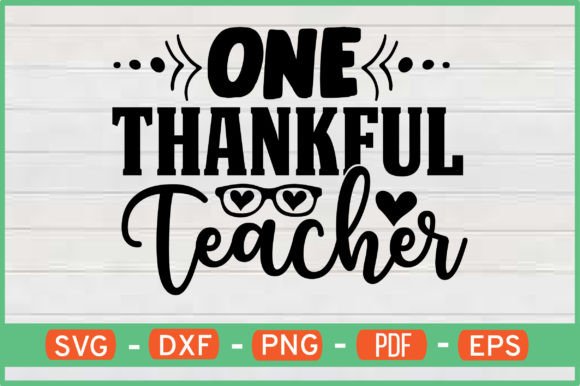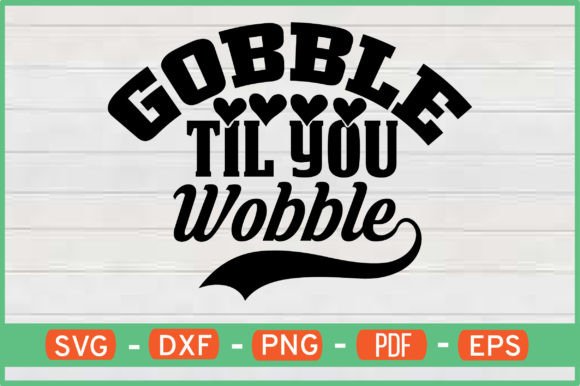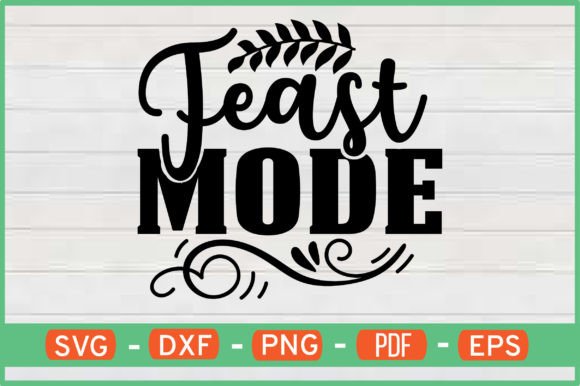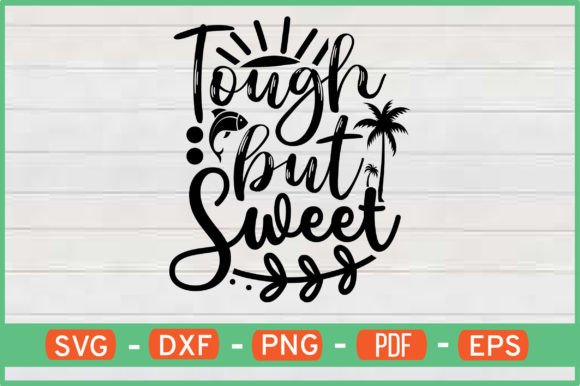
Let’s Cook T-Shirt Designs SVG
A Designer’s First Look: Playful, Kitchen-Ready Energy
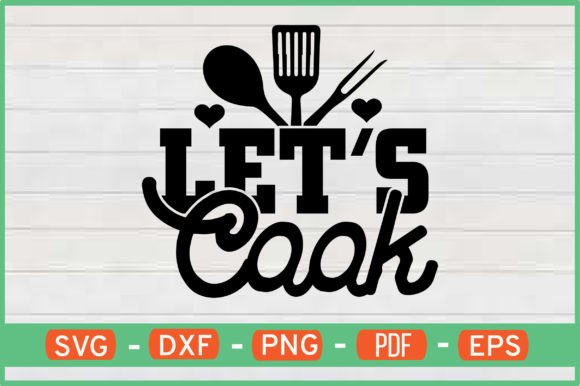
Opening Let’s Cook T-Shirt Designs SVG feels like flipping through a well-loved recipe card—warm, inviting, and unpretentious. The design leans into cheerful foodie charm: think bold lettering with subtle kitchen motifs (a whisk curl, a tiny pot handle, maybe a sprig of herbs tucked beside the “o” in “Cook”). It’s not overly detailed or fussy—it’s got that clean, confident simplicity that reads instantly at a glance. That’s a huge plus when you’re stitching for real-world use: on a tote bag at a farmers’ market, an apron hanging behind a café counter, or a baby onesie gifted to a new parent who just wants something sweet and functional.
Where This Design Truly Shines
I tested Let’s Cook T-Shirt Designs SVG as the centerpiece for a small-batch run of linen-cotton blend tea towels—hand-stitched samples first, then full production. It held up beautifully. The layout is generous but not sprawling, so it anchors well in a 4×4 hoop without crowding. On medium-weight fabrics like cotton twill or brushed poly-cotton, the letterforms stay crisp and legible after embroidery. As a machine embroidery design, it translates cleanly into satin stitch outlines and balanced fill stitch areas—no thin, breakable stems or overworked corners that snag thread mid-run.
This isn’t just a t-shirt graphic repurposed for stitch. It *breathes* like embroidery: spacing between letters allows stabilizer to do its job, curves flow smoothly under needle movement, and the overall weight feels right for custom apparel, sweatshirt embroidery, or even embroidered patches meant for iron-on application. I’ve also used it successfully on structured items like canvas tote bags and denim aprons—where durability matters—and it kept its personality without looking stiff or pixelated.
Real-World Fit: From Boutique Shelf to Holiday Gift Bag
Last December, I adapted Let’s Cook T-Shirt Designs SVG for a limited set of organic cotton baby bibs sold through my Etsy shop. Paired with soft pastel thread and tear-away stabilizer, it landed exactly where I hoped: warm, handmade, and quietly professional. Customers commented on how “clear” and “happy” the stitching looked—not cartoonish, not cold, just right. That balance is rare. It works equally well for wedding kitchen gifts (think monogrammed linen napkins), small shop merchandise (a boutique selling local spice blends used it on matching staff aprons), and personalized gifts where sincerity matters more than flash.
Where to Proceed With Care
That said—this isn’t a one-size-fits-all embroidery file. On stretchy knits like jersey t-shirts or lightweight baby rib, I recommend testing stitch density and using cut-away stabilizer underneath. The design’s openness helps, but fine lettering can blur if tension or fabric give isn’t managed. Likewise, on dark fabric, contrast depends heavily on your thread choice: a bright mustard or creamy off-white pops better than pale yellow, which disappears on charcoal or navy.
Curved surfaces—like the front panel of a structured cap—require repositioning or minor digitizing tweaks. As delivered, Let’s Cook T-Shirt Designs SVG assumes a flat, stable surface. For caps or curved pillow covers, plan extra time for hooping adjustments and consider simplifying inner details if your machine struggles with tight turns. And while it’s friendly for beginners, don’t skip the test stitch: small hoops (under 3.5”) may crop subtle flourishes, and dense fill areas could shift on textured fabrics like terry cloth or heavy toweling.
Design Integrity Meets Commercial Practicality
What makes Let’s Cook T-Shirt Designs SVG stand out among Crafts and Graphics assets is its quiet professionalism. It doesn’t shout. It invites. That builds trust—especially for Etsy sellers or craft fair vendors whose buyers scan quickly and decide based on perceived care and cohesion. When stitched cleanly, it elevates a basic kitchen towel into a cohesive brand moment. When paired with thoughtful thread colors and quality stabilizer, it reads as intentional, not generic.
For creative entrepreneurs building digital product libraries, this design holds value beyond single-use: it layers well with simple border motifs, scales reliably down to 3” for baby embroidery, and converts cleanly to black-and-white mockups for listing previews. Just remember—since it’s delivered as an SVG and DXF (not native embroidery formats like PES or DST), you’ll need to digitize it properly before stitching. Confirm your software handles the conversion without distorting proportions or collapsing fine lines.
Essential Designer Notes Before You Stitch
- Always test on scrap fabric matching your final project’s weight and stretch.
- Check thread color contrast on both light and dark backgrounds—don’t assume what looks good on screen will translate.
- Review stitch density: high-density fills may pucker thin cotton; reduce density slightly for baby embroidery or delicate linens.
- Confirm hoop size compatibility—some versions of the design may require trimming for sub-4” hoops.
- Inspect small details (like dot accents or serif ends) at actual stitch-out size—they’re easy to miss on screen but critical for clarity.
- Use appropriate stabilizer: cut-away for knits, tear-away for stable wovens, fusible for lightweight applique designs.
- Verify licensing terms before selling finished products or bundling this as part of a commercial embroidery kit—digital download licenses vary.
In short: Let’s Cook T-Shirt Designs SVG earns its place in a working designer’s toolkit—not because it’s flashy, but because it’s reliable, adaptable, and quietly joyful. It supports the story you’re telling with your handmade product, whether that’s “I made this for you,” “This belongs in your kitchen,” or “This small shop cares about detail.” That kind of resonance? That’s what turns a digital embroidery file into a trusted design asset.