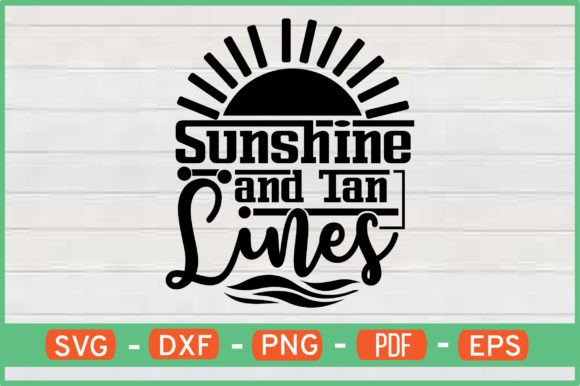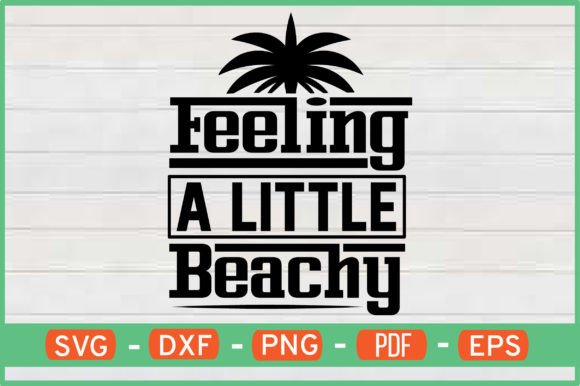
Feeling a Little Beachy T-Shirt Designs
First Impressions: Light, Laid-Back, and Ready for Stitching
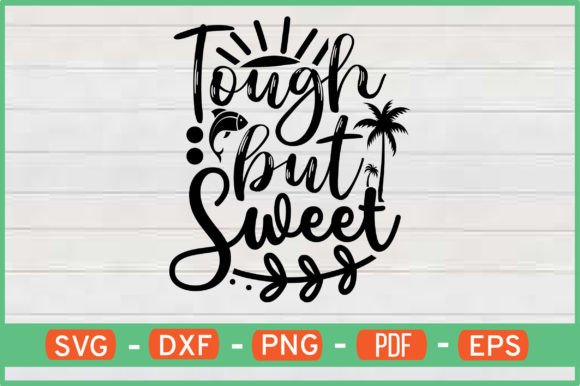
Opening the Feeling a Little Beachy T-Shirt Designs download feels like flipping through a sun-bleached sketchbook—soft curves, breezy lettering, and that unmistakable coastal ease. It’s not overly detailed or fussy; instead, it leans into simplicity with gentle waves, a relaxed script font, and subtle nautical cues (think soft anchor silhouettes or faint seashell motifs—not literal, but evocative). As an embroidery designer who’s stitched hundreds of beach-themed projects, I immediately recognized its sweet spot: it’s designed to breathe on fabric, not fight it. That matters—especially when you’re stitching for real people, not just mockups.
A Real-World Test: Embroidering a Linen Tote for a Coastal Boutique
Last week, I prepped Feeling a Little Beachy T-Shirt Designs for a small-batch run of linen tote bags destined for a seaside boutique in Maine. These weren’t samples—they were retail-ready items priced at $48, meant to carry groceries, beach towels, and weekend energy. So I treated the design like a client project: tested on scrap linen first, checked thread contrast against natural and navy-dyed fabric, and assessed how the lettering held up at 3.5" wide—the size their branding guidelines required. The result? Clean, confident, and quietly charming. No stitch pile-up in the curves, no legibility loss in the “beachy” script—even at that scale, the negative space worked *with* the fabric, not against it.
Where This Design Shines (and Where It Needs Thought)
Feeling a Little Beachy T-Shirt Designs performs best where lightness and wearability intersect:
- Custom apparel: Works beautifully on cotton tees, lightweight sweatshirts, and breathable woven tops—especially when paired with tonal thread (sand-beige on oatmeal, seafoam on pale blue).
- Tote bag design & pillow covers: Its open layout avoids dense fill stitch areas, so it lies flat and drapes naturally without stiffness.
- Baby embroidery & nursery decor: Soft edges and minimal fine detail mean fewer snag points—ideal for onesies, burp cloths, or muslin wall hangings.
- Holiday embroidery & personalized gifts: Think July 4th picnics, summer weddings, or “Welcome to the Coast” baby showers—it reads warmly, not generically.
- Craft business & Etsy seller use: As a digital embroidery file, it’s versatile enough for printable mockups, social media previews, and layered product photography—but only if you’ve confirmed licensing terms before listing finished items.
Use With Care: Fabric, Fit, and Functionality
This isn’t a one-size-fits-all machine embroidery design—and that’s a good thing. Its charm depends on thoughtful execution:
- Small hoop sizes: At full width, it may push tight 4x4 hoops. Trim or reposition thoughtfully—don’t force it.
- Textured or stretchy fabric: On slubbed linen or lightweight knits, stabilize with medium-weight cutaway + tear-away combo. Skip the heavy stuff—it’ll mute the airy feel.
- Dark fabric: The script relies on clean outlines. Use bright white or pale yellow thread—not off-white—to maintain readability.
- Curved surfaces (caps, hats): Not ideal here. The flow of the lettering breaks on rounded crowns. Save it for flat or gently contoured pieces like aprons or tea towels.
- Frequent-wash items: Avoid high-density satin stitch accents unless you’re reinforcing them. Stick to balanced fill and running stitch zones for longevity.
Design Integrity Meets Customer Trust
What makes Feeling a Little Beachy T-Shirt Designs stand out isn’t novelty—it’s coherence. When customers see it stitched on a handmade product, they don’t wonder *what* it is. They feel the vibe instantly: unhurried, genuine, sun-kissed. That builds trust. For Etsy sellers and small shop owners, that emotional resonance translates directly to perceived value—no extra description needed. It also supports brand consistency across product lines: same design on a kitchen towel, a baby onesie, and a boutique tote reads as intentional, not repetitive.
Practical Designer Notes Before You Stitch
Before committing to production—or even your first test run—here’s what I do every time with a new digital embroidery file like this:
- Test on scrap fabric *identical* to your final material—including wash-and-dry cycles if applicable.
- Check thread color contrast in both natural and artificial light—some pastels disappear under fluorescent bulbs.
- Review stitch density visually in your embroidery software. Look for any unintended overlaps or thin-line gaps in the script.
- Confirm hoop size compatibility. If adapting for smaller hoops, prioritize keeping the word “Beachy” fully intact—it’s the emotional anchor.
- Inspect small details at 200% zoom: are corners smooth? Does the wave motif resolve cleanly at 2" wide?
- Run black-and-white mockups. If it reads clearly in grayscale, it’ll hold up on any background.
- Compare light and dark fabric backgrounds side-by-side. Adjust underlay or pull compensation if needed.
- Use appropriate stabilizer—never skip this step, especially on lightweight wovens or blends.
- Verify commercial use rights. Since this is a Graphics download for Crafts, confirm whether resale of finished embroidered products is permitted before listing on Etsy or at craft fairs.
Final Thought: A Design That Serves the Maker First
Feeling a Little Beachy T-Shirt Designs doesn’t shout. It invites. And in a market saturated with overworked fonts and cluttered layouts, that restraint is rare—and valuable. It gives you room to execute well: to choose thoughtful thread colors, pair it with quality fabric, and present something that feels handmade, not mass-produced. Whether you’re stitching for a client, building a seasonal collection, or filling your own shop’s summer lineup, this design earns its place—not because it’s trendy, but because it stitches true, wears well, and connects without trying too hard.