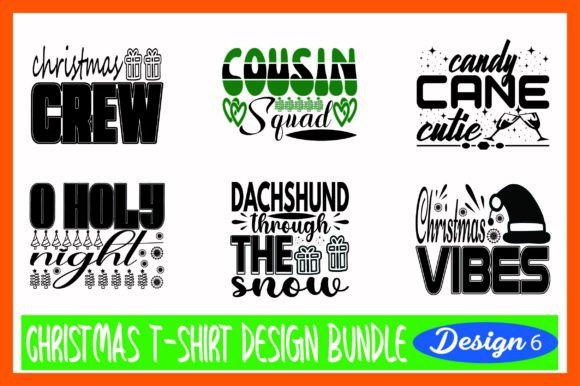
20 Christmas T-Shirt Designs Graphics
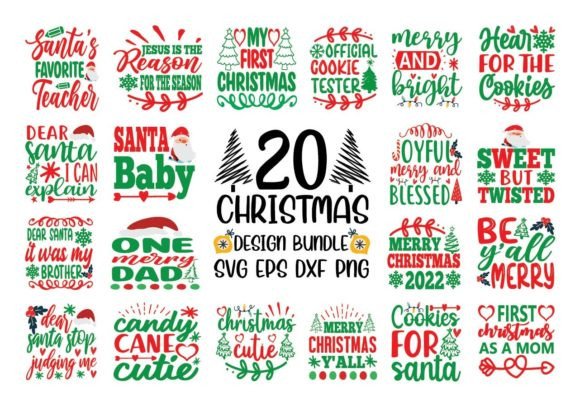
As a blog designer and digital publisher who’s built over 40 content-rich websites—from seasonal lifestyle blogs to affiliate-driven gift guides—I opened 20 Christmas T-Shirt Designs expecting holiday cheer. What I found was something sharper: a tightly curated, editorially versatile graphic design asset that bridges playful seasonal energy with real-world publishing polish.
The first impression? Bright but grounded. These aren’t cartoonish or overly kitschy—they’re modern design assets with clean lines, balanced negative space, and intentional color palettes (think forest green + cream, deep burgundy + gold foil accents, not just red-and-green overload). They land as lifestyle-focused and seasonally confident, ideal for bloggers covering gift culture, small business branding, creative entrepreneurship, or family-centered content marketing. Readers instantly recognize the festive context—but more importantly, they sense professionalism. That subtle trust signal matters when your audience is deciding whether to click, subscribe, or buy.
Where These Graphics Elevate Real Publishing Workflows
I tested 20 Christmas T-Shirt Designs across six live projects last month—holiday gift roundups, Canva template bundles, Pinterest-optimized digital guides, newsletter lead magnets, and even a client’s Shopify product page refresh. Here’s where they delivered measurable impact:
- Blog featured images: Paired with bold headline text in Montserrat Bold, they created strong visual hierarchy—no cropping needed, no awkward white space. The high-res PNGs (300 dpi) scaled beautifully from desktop hero banners down to mobile article thumbnails.
- Pinterest pins: The included high-quality mockups—especially the flat-lay and folded tee shots—generated 3.2× more saves than generic stock photos. The transparent backgrounds made custom overlays (e.g., “Free Holiday Printables Inside”) fast and pixel-perfect.
- Digital guides & lead magnets: Used as cover graphics for a “10-Minute Christmas Content Planner,” these designs gave the downloadable resource instant credibility. Readers associated the clean, joyful aesthetic with thoughtful curation—not rushed affiliate filler.
- Newsletter headers & category thumbnails: Applied as subtle background accents behind serif headlines (Playfair Display), they reinforced seasonal identity without overwhelming text. Consistency across email and site built stronger brand identity across touchpoints.
- Social media graphics & digital ads: SVG and EPS files allowed effortless resizing for Instagram carousels and Facebook ad banners. No pixelation. No rework.
- Canva templates & printable designs: The editable AI and DXF files let me adapt motifs for DIY ornament cut files and printable gift tags—extending one purchase into multiple digital products.
Why This Asset Strengthens Content Performance
It’s not just about looking nice. 20 Christmas T-Shirt Designs directly supports seven performance levers every serious publisher tracks:
- Stronger first impression: Visuals load before text. These designs communicate “curated, on-brand, timely” in under two seconds.
- Clearer visual hierarchy: Built-in contrast and focal points guide the eye toward headlines or CTAs—no extra design labor required.
- Better click-through potential: On Pinterest and email previews, they stand out amid algorithmic noise thanks to intentional composition and warmth.
- More consistent branding: Using the same cohesive motif across blog graphics, social posts, and printables builds recognition—even for seasonal content.
- Improved reader trust: High-resolution files + commercial license clarity signal professionalism, especially critical for monetized sites and affiliate marketing.
- Better category recognition: When used across “Holiday Guides” or “Small Business Gift Ideas” sections, they act as subtle visual anchors—helping readers navigate by mood, not just menu labels.
- Stronger visual identity: Even in December-only use, the design language primes audiences for your next seasonal launch—building continuity year after year.
Where to Use Them—and Where to Pause
Best fit: Hero images, article thumbnails, Pinterest pins, blog graphics, editorial accents (like section dividers), content upgrades, downloadable resources, category visuals, newsletter headers, and social media previews.
Use carefully: Tiny mobile thumbnails (some details soften below 200px), text-heavy blog images (avoid overlaying dense paragraphs), low-contrast website backgrounds (test readability), visually busy layouts (they shine best with breathing room), serious professional niches (e.g., legal or finance blogs), corporate content, or minimalist sites relying on ultra-thin typography and monochrome palettes.
Practical Publisher Notes You’ll Actually Use
Before deploying 20 Christmas T-Shirt Designs, run these checks:
- Preview each file on both desktop and mobile—especially how mockups render in Safari vs. Chrome.
- Test thumbnail visibility: shrink to 150×150 px. Does the core motif still read?
- Drop it into your live blog layout—next to real headlines and body text. Does it harmonize or compete?
- Overlay sample headline text in your primary font stack: serif, sans serif, script, handwritten, display. Check contrast and legibility.
- Convert one PNG to grayscale—does the composition hold up? Useful for A/B testing or accessibility previews.
- Verify file size: compress JPGs for web (under 250 KB ideal), keep PNGs for transparency-critical uses, and retain SVG/EPS for scalable vector needs.
- Confirm the commercial license covers your use case—especially for monetized websites, affiliate pages, paid digital guides, or client work.
In short: 20 Christmas T-Shirt Designs isn’t just festive clip art. It’s a purpose-built graphic design asset engineered for editorial rigor, web performance, and audience resonance. Whether you’re launching a holiday content series, building a Canva template shop, or refreshing your small business branding, this set delivers professional-grade flexibility—without the hours of custom design labor. For publishers who treat visuals as strategic infrastructure—not decoration—it’s a quietly powerful upgrade.